
Blog
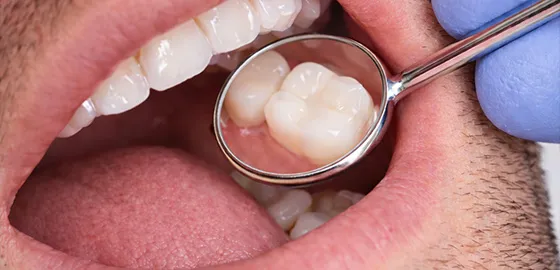
Aesthetic composite fillings match the natural colour and light of the tooth so the smile remains natural. They are used not only to restore decayed areas but also to improve the appearance of teeth.
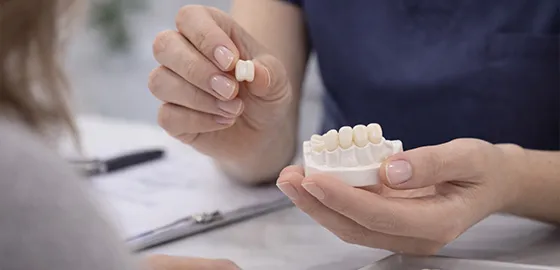
Ceramic and zirconia materials are durable, aesthetic and biocompatible and provide a natural appearance in the long term. They are used both for implant restorations and prosthetics anchored on natural teeth.

After teeth whitening, staining drinks and foods such as coffee, cola, tea and curry should be avoided. This helps maintain the whitening result in the long term.

Tooth discoloration often appears around old fillings because decay and micro-fractures in tooth structure can create darker tones. In such cases replacement of the filling or further restoration is recommended to stop the destructive process and eliminate pain.

Toothache may occur for several reasons and should always be taken seriously because a more serious problem may be behind it. A common cause is tooth neck sensitivity which develops when enamel wears down or gums recede.

Gingivitis is often associated with bleeding and sensitivity. When plaque and tartar accumulate around the teeth, the gums become irritated and bleed easily during brushing or eating.
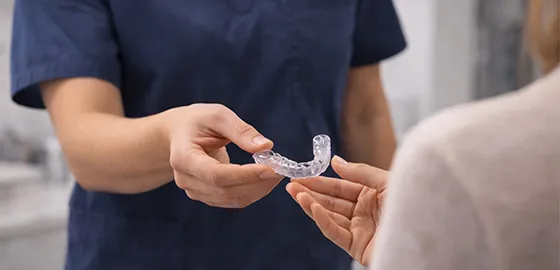
Stress-related teeth grinding can damage teeth and fillings and may lead to gum inflammation and jaw problems. Using a night guard and applying stress-management techniques can help prevent further damage.

Wisdom teeth often cannot erupt due to lack of space which may lead to pain, inflammation or crowding. Surgical removal is performed under local anaesthesia and healing usually takes 1–2 weeks. Maintaining proper oral hygiene and following a soft diet are important for recovery.